Erasmus-Plus-Austausch: Fahrt nach Danzig 2026

Travelling to Danzig

Yesterday we flew from Hamburg to Gdansk for our student exchange. There we were greeted with balloons and a warm welcome. Everyone got along well with their exchange students and the atmosphere was really good from the beginning. After that we drove home with our host families or did something together. In the evening we all met at school to get to know each other even better at various get-to-know-you games. In addition, there was a delicious cake buffet where we could spend the evening cosy. Overall it was a really nice first day and a great start to our student exchange. We are already looking forward to the next few days in Danzig!

Johanna, Marielies
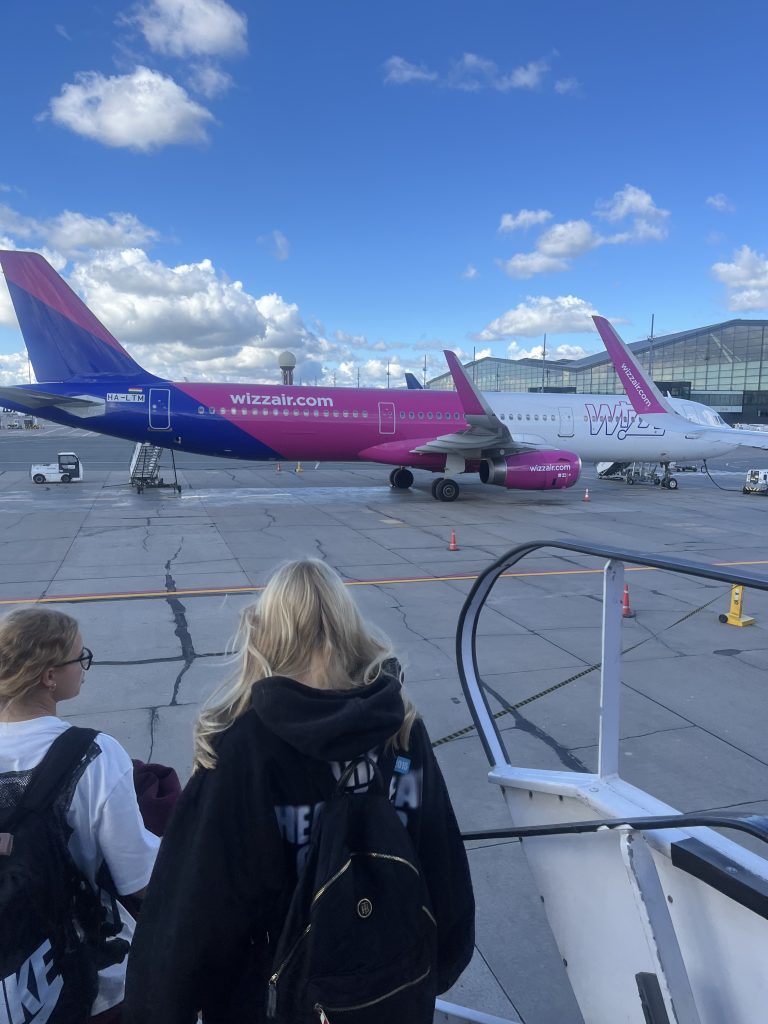
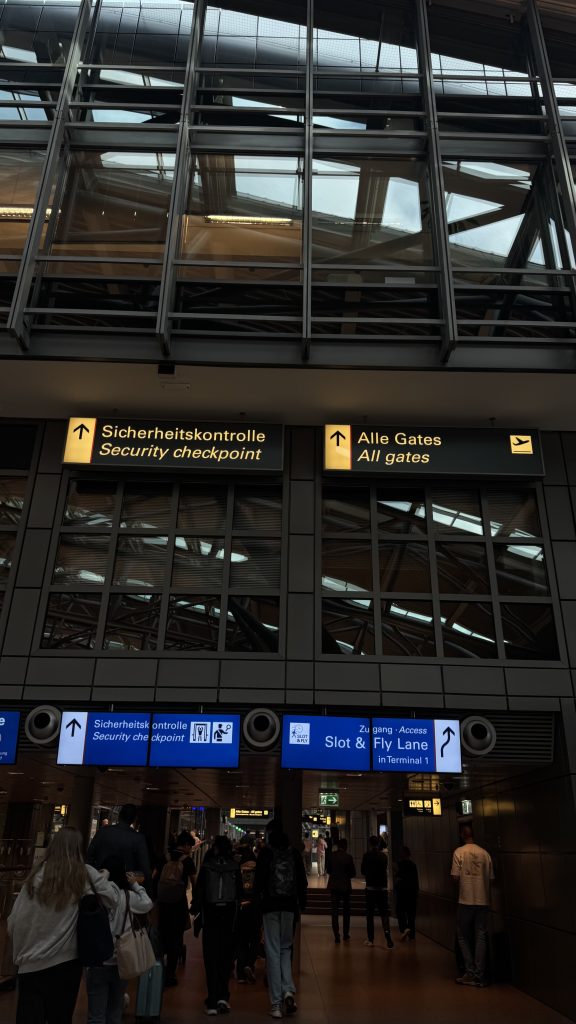
Am Flughafen
Im Flughafen

Thursday, 24.9.

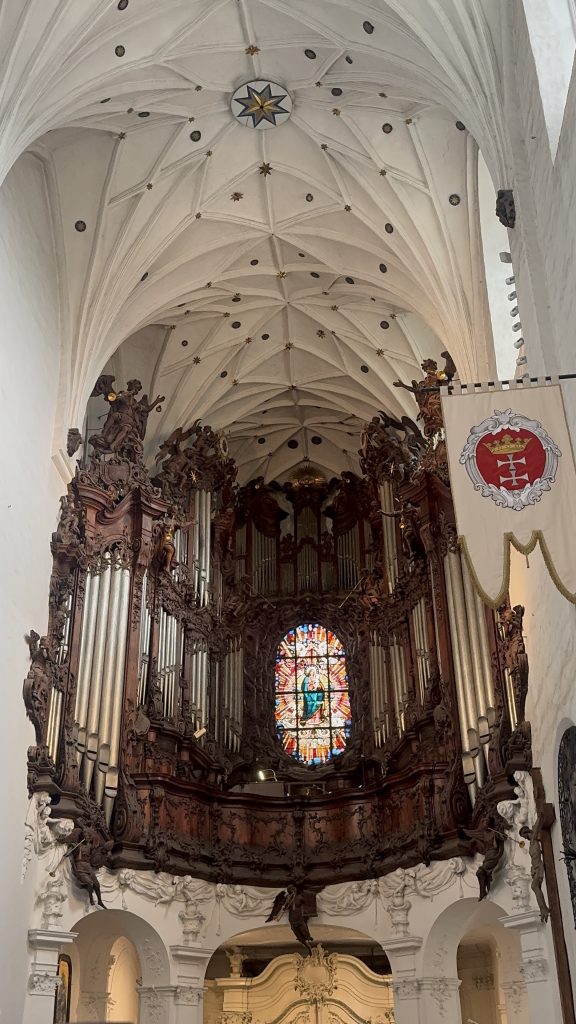
Today, we spent another nice day in Poland as part of our student exchange. In the morning, we went to school and had two lessons. After that, we did a city rallye. We had to solve different tasks and got to know the city better. Afterwards, we went to a church and watched an organ show. The music and the atmosphere were very impressive, and it was a nice experience. Now, we are having a barbecue together and spending some time with everyone. Overall, it was a fun and interesting day with many different activities.

Leni
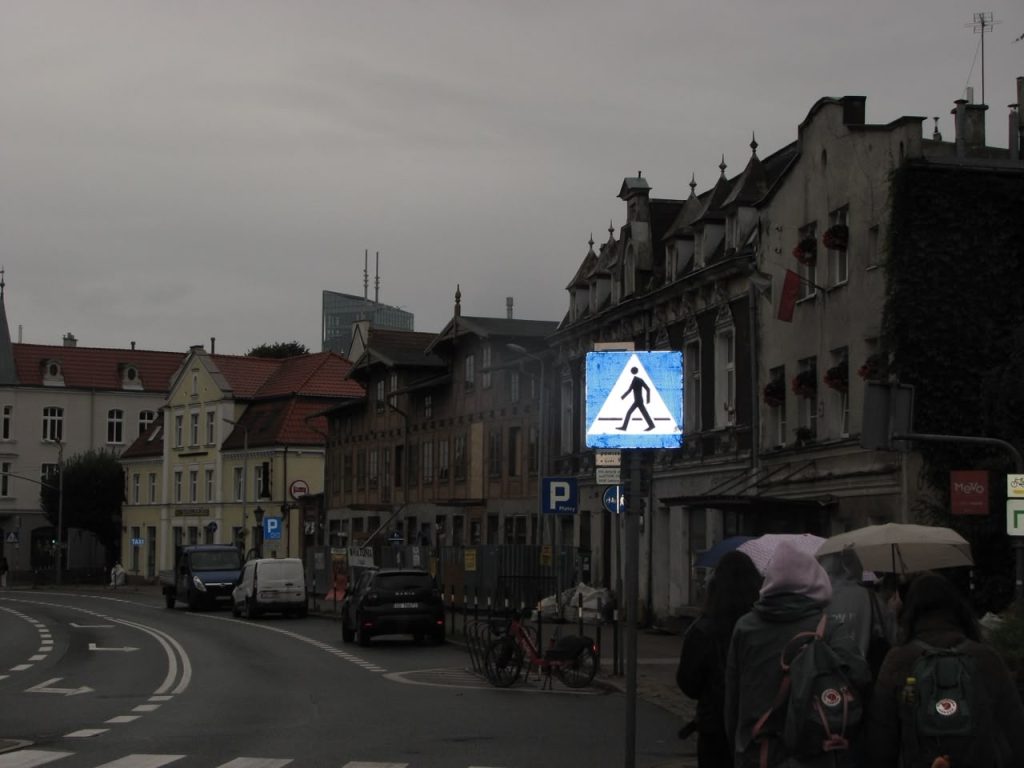
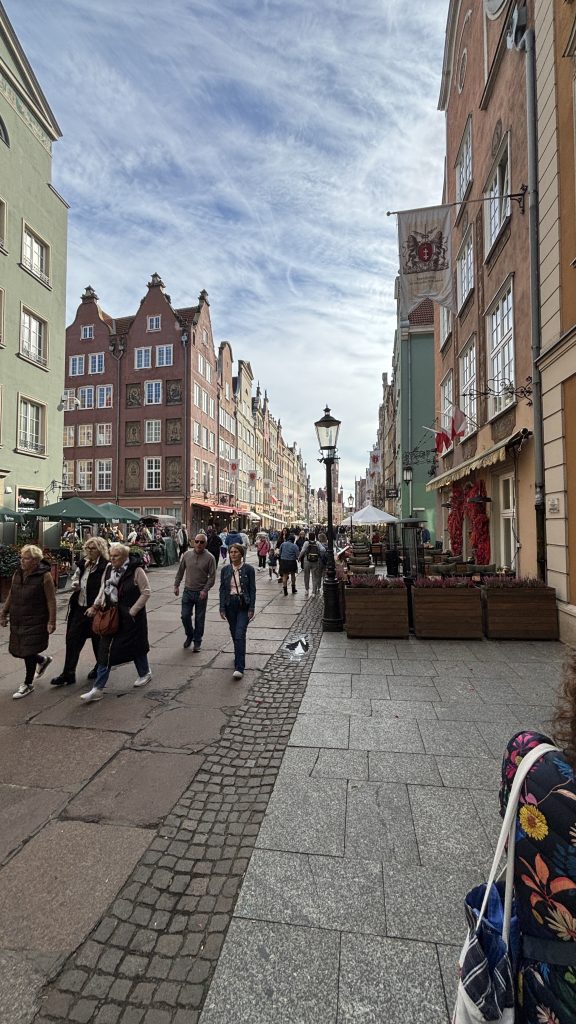
Innenstadt von Danzig
Innenansicht einer Kirche in Danzig

Friday, 25.9.

On the day of the trip we all met at school and then we walked together to the train station in Oliwa. It was a nice walk, everyone was talking and it didn’t take that long. Then we took the train and drove for about 40 minutes until we got to Marienburg. When we finally got there, we got audioguides so we could go through the castle by ourselves. I think that was better than having a guide talk the whole time, because we could go at our own pace and look at whatever we wanted. The castle is really big and there’s a lot to see. The castle was divided into three parts and it took about two hours to see all of it , there were a lot of hidden doors and stairs we had to walk through and it was quite exiting to see how people lived in such extravagant places and how their days were.

Margo
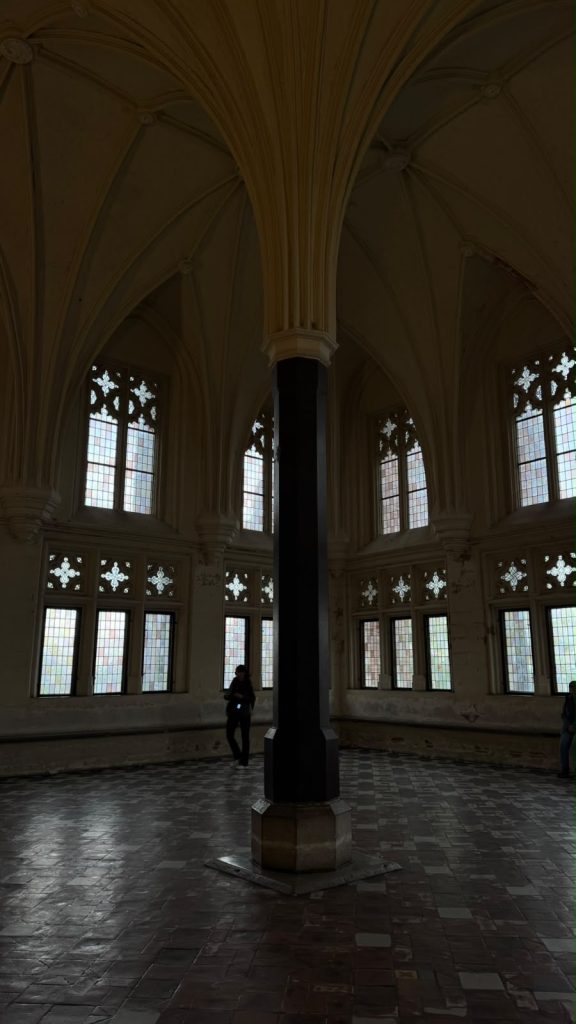
Innenansicht der Marienburg in Danzig
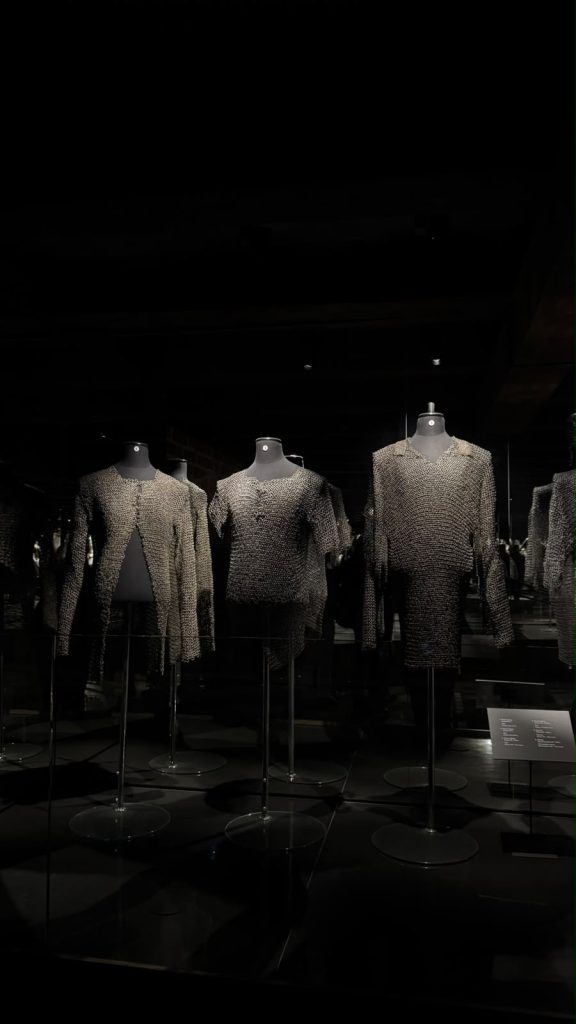
GewÀnder

Saturday, 26.9.

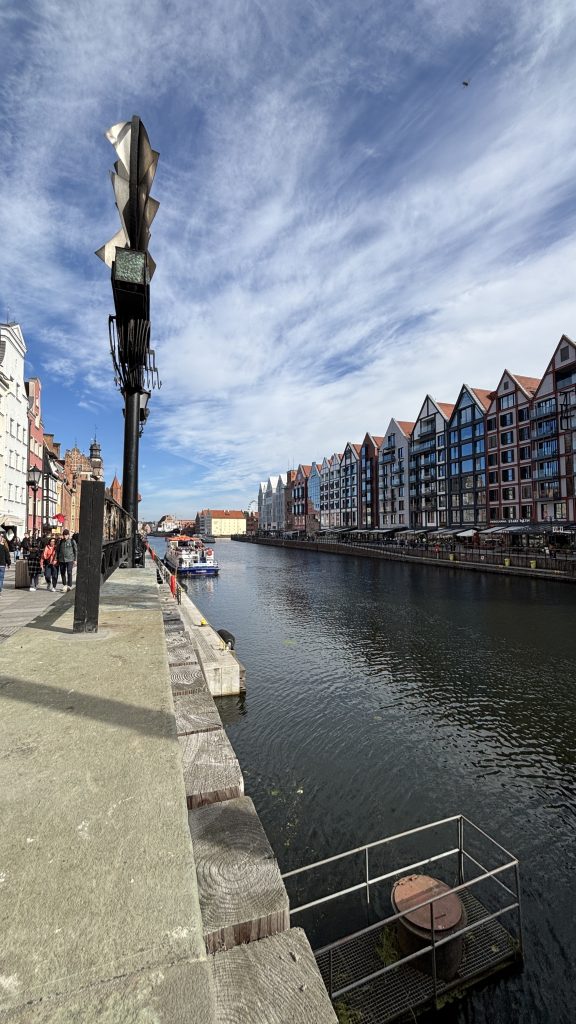
During our stay in GdaƄsk, we took part in a city tour through the Old Town. A female tour guide showed us around the city and told us many interesting things about its history which is in some parts also German. During the tour, we saw many old and beautiful buildings. The tour guide explained what some of the buildings were used for in the past and why they are important. We also learned more about the history of GdaƄsk and how the city has changed over time. One of the most interesting parts was learning about the old prisons and how prisoners were treated in the past. For example, we learned how prisoners were held and sometimes chained. These stories gave us a better idea of what life was like in GdaƄsk many years ago. We also visited different places and saw many sights in the Old Town. The explanations from the tour guide made the places more interesting because we learned the stories behind them. Overall, I really enjoyed the city tour. I found it interesting to learn about the history of GdaƄsk while seeing the old buildings and important places in the city. It was a good way to get to know GdaƄsk better.

Seyfettin

Innenstadt von Danzig
Kanal in Danzig

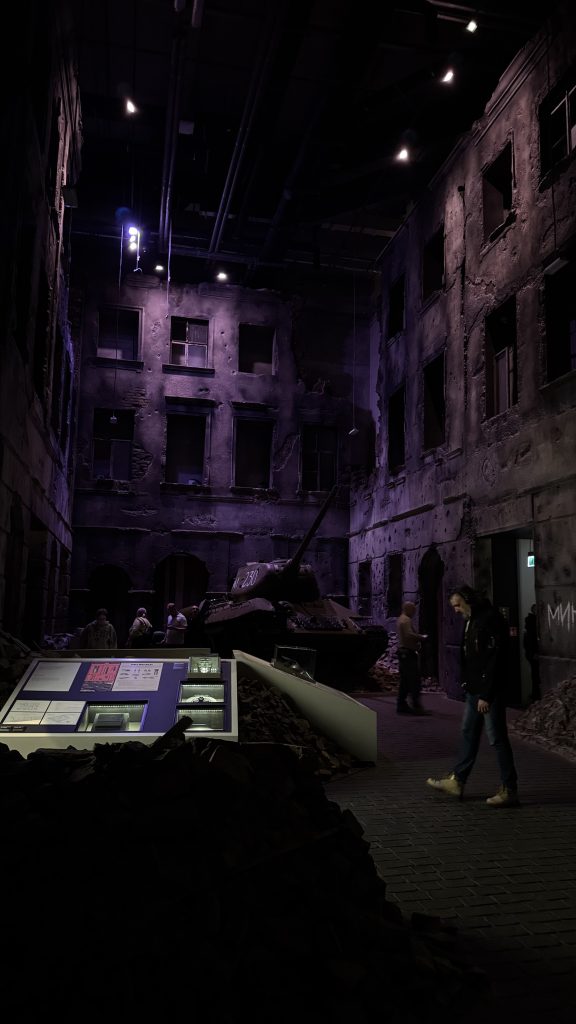
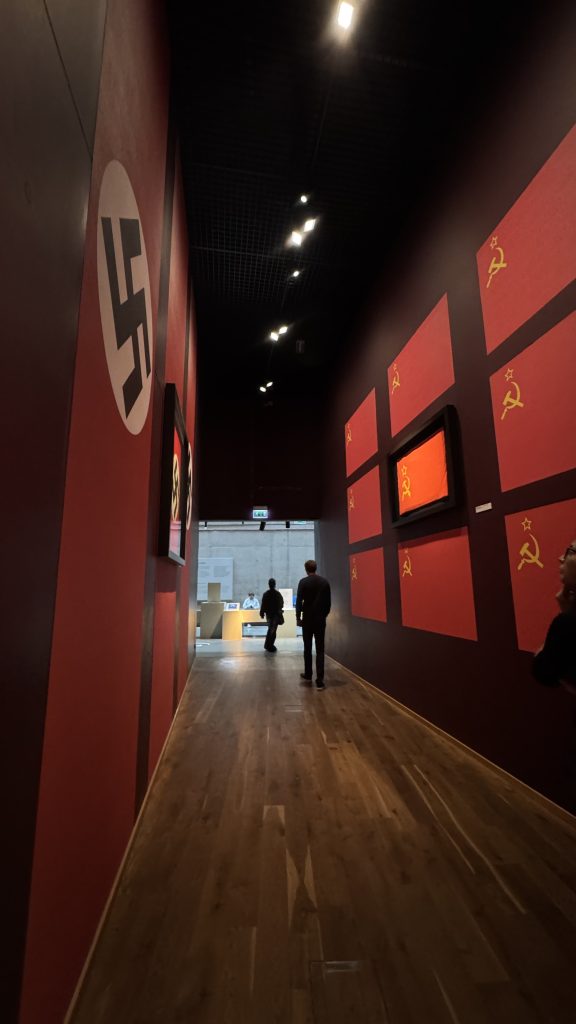
Report about the Museum of the Second World War in GdaƄsk During our stay in GdaƄsk, we also visited the Museum of the Second World War. The museum is located at Plac WƂadysƂawa Bartoszewskiego 1 in GdaƄsk. There, we learned a lot about the Second World War and what happened during this time. The museum had many different objects, pictures and information about the war. I found it especially interesting that the museum did not only show the major events of the war, but also explained how normal people experienced the war in their everyday lives. For example, we learned about the difficult conditions that families and children had to live with. We also saw many objects from that time that were connected to the war and the daily lives of people. This made it easier to imagine what life was like during the Second World War. Another important part of the exhibition was about the beginning of the Second World War and the events in Poland. It showed how strongly the war affected the population and many different countries. Overall, I found the museum very interesting and also quite thought-provoking. The many objects, pictures and explanations helped us to understand what the Second World War was like for people. The visit was therefore a good addition to our city tour of GdaƄsk.

Im Weltkriegsmuseum
Im Weltkriegsmuseum

Sunday, 27.9.

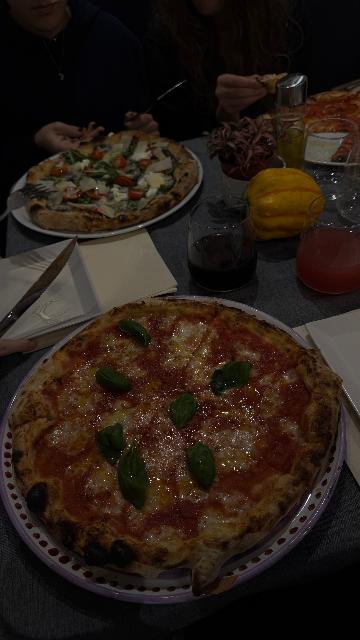
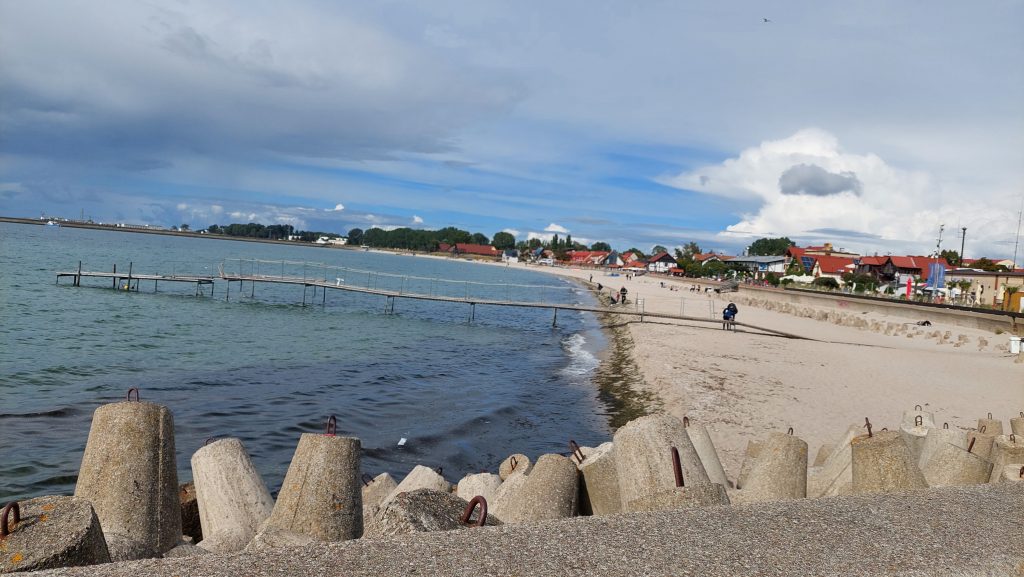
Family day. It was Sunday and my exchange partner’s family went to church, so I got plenty of time at home. Afterwards, around 1 pm, me and my exchange partner met with some other friends and took a train to a city nearby – Sopot. Firstly we went to an illusion museum where we took a lot of cool pictures and had so much fun, we even got some free candy for writing a review. Then we took a little break and got us some coffee with cinnamon rolls. We divided us in two groups and some of us left. After spending so much time and energy in this museum we felt so hungry so we went to this really authentic pizzeria. The waiter spoke Polish, English, Italian and even German to us and the atmosphere and staff were very nice. The food was amazing as well. After being done with eating, we split up in two groups and went to the beach. It was so beautiful and peaceful and we also enjoyed the sunset, which made the sea look even better. We asked a stranger to take a picture of four of us together to have some beautiful memories from that day. Later in the evening we got on the train and went home. We were really tired but really happy.

Sofiia
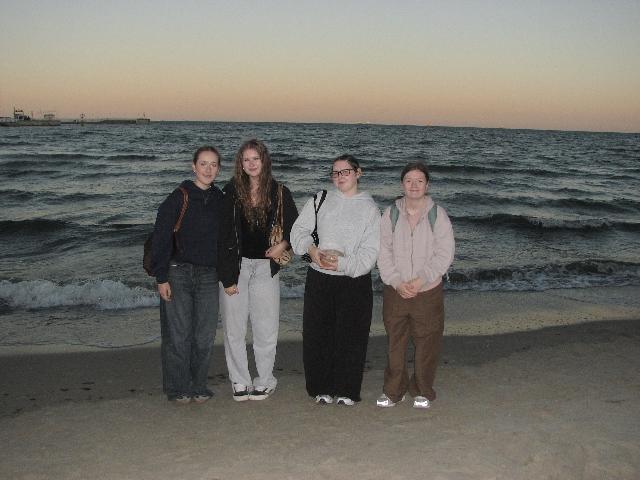
SchĂŒlerinnen am Strand von Danzig
Pizza

Monday, 28 September

Today we went to the Westerplatte, to the Memorial there, and to the concetration camp Stutthof.
First, at 9am we went to Westerplatte, where the Second World War started. Two students gave a presentation about this and explained the meaning of the memorial (a sword in the ground).
After that we continued our trip to Stutthof. When we arrived we met our very nice guide, Wolfgang, and he showed us around the camp. He walked us through the ruins and rebuilts of the barracks, the gas chamber and crematory where we all held a moment of silence. He told us about the cruelty in the camp and about the brutality the Germans used even though the war was already over.
It was a very moving and interesting day and we learnt a lot.

Wencke
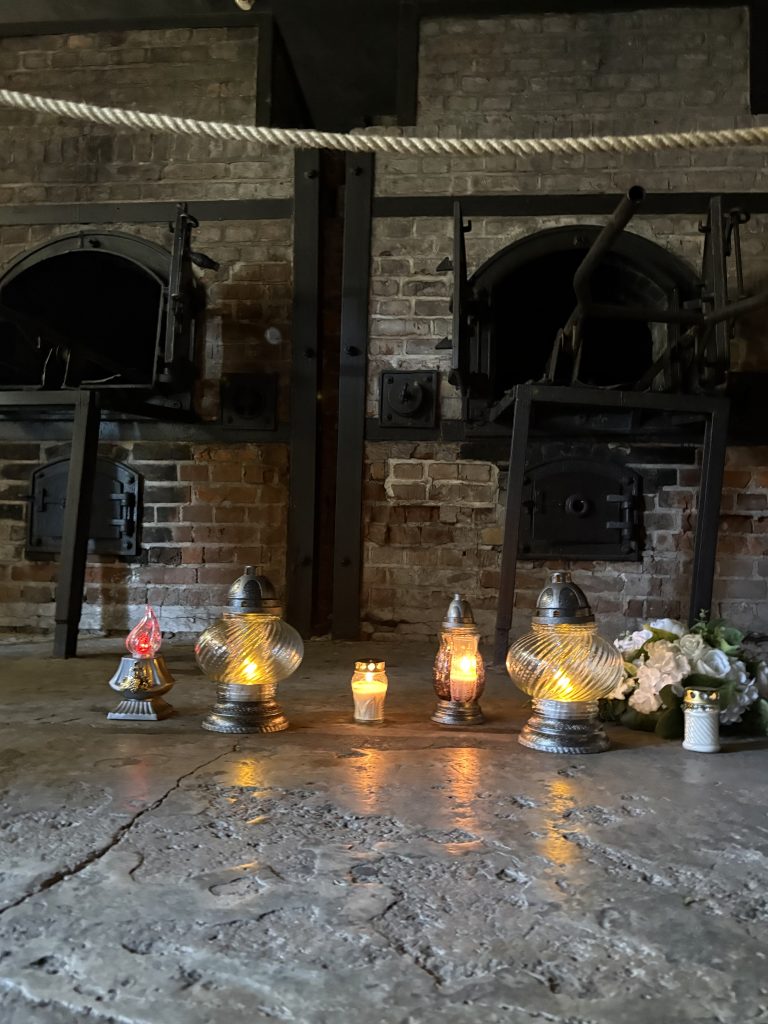
Gedenkkerzen

Tuesday, 29 September

Today was our trip to the Slowinsky National Park, the dunes of Leba at the Baltic Sea. The dunes are the highest in Europe and slowly cover a pine forest. Dead tree trunks are leftovers and look slightly bizzare.
We climbed the highest dune and jumped or rolled down some slopes until we continued to the beach where we had picknick. After that we walked around 5km back to a point where we were picked up by electric cars and brought back to our bus. In the evening we had our last dinner together with the Polish students in a restaurant. After that we went shopping a very last time or enjoyed one last evening at „home“.

Wednesday, 30 September

After we woke up, we packed our final things and ate our last breakfast with our host families. We said our goodbyes to the families and were driven to the airport. From there, we flew to Hamburg, where we took a regional train to the main train station in Hamburg. We took a train to the main train station in Bremen and finally boarded our train back to Bremerhaven, where we were welcomed by our families.
And now we are looking foward to April when we see each other again!

Nico
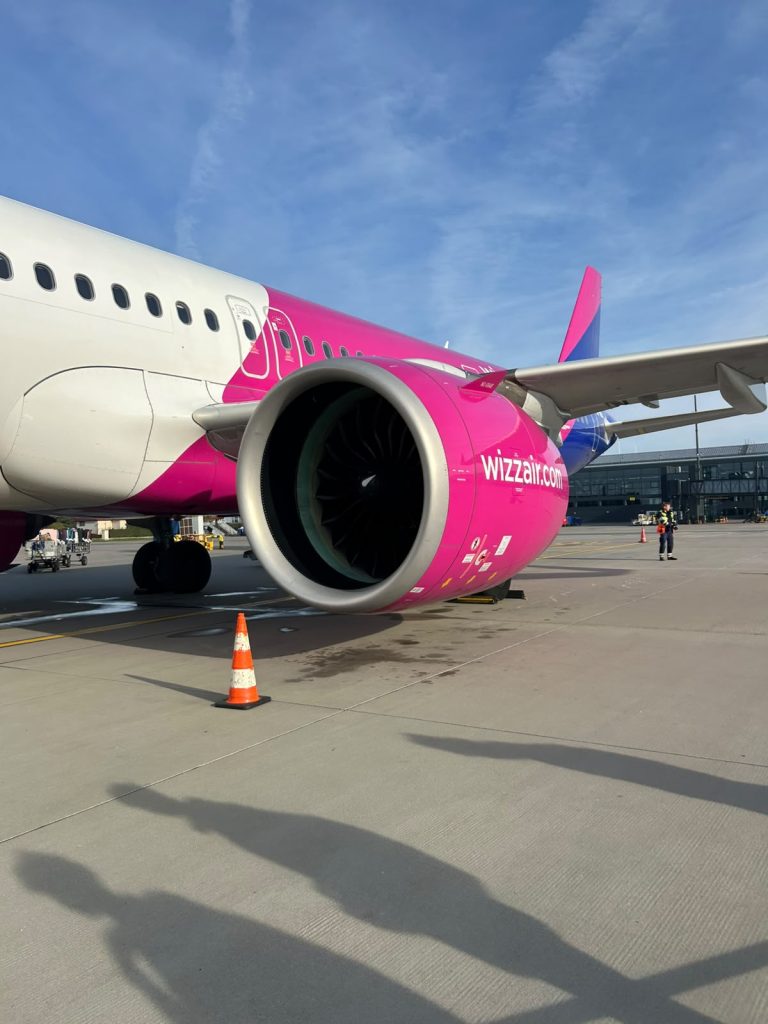
Ein Flugzeug
ErasmusPlus Flagge

Berichte vom Erasmus+-Austausch: Besuch der Danziger Gruppe 2026

Wednesday, 15 April

Today we arrived at the Bremenhaven Train Station. The whole town is cute and cozy whch makes it wonderful. We did a cooking challenge. 4 teams competed, every team had to prepare 3 meals. It was a great experience and fun time. Of course we all tasted and rated them. Then we spent some time with our host families and got to know each other’s culture. Overall we had a great day in Bremenhaven with our German exchange partners!

Michalina & Julia

(c) Lloyd 2026: SchĂŒler*innen kochen in der SchulkĂŒche
(c) Lloyd 2026: durch die SchĂŒler*innen zubereitetes Essen

Thursday, 16 April

On Thursday we visited a beautiful city which is full of urban storys – Bremen. At the beginning we went to many must-see spots like the town musicians of Bremen or St. Petri Cathedral, which we went into. Also at every spot two of students from Bremenhaven were telling us about those places. Next milestone on out trip was visiting museum in which story of town was presented by people who reenactlife from the past. We ended our tour at the town hall where we could hear more about its history and work nowadays. After 6pm, we returned by train to Bremerhaven and couldn’t wait for the next day 🙂

Nikola & Alicja

(c) Lloyd 2026: SchĂŒler*innen vor den Bremer Stadtmusikanten
(c) Lloyd 2026: WindmĂŒhle in Bremen

18.4.

Today we visited Helgoland. We had a guided tour through the most beautiful places on the Island. After that we had free time to take some photos and walk through the main places there. The trip was truly amazing, because we could see how the lives of the people living there looks like. Also the view of the place was breathtaking as well as the unique animals living there. We travelled both ways by the boat, so it was also really entartaining, as we could make the most of the nice weather.

 (c) Lloyd 2026: Klippen von Helgoland
(c) Lloyd 2026: Gruppenbild auf Helgoland

Sara & Oktawia

19.4.

Sunday was a free day for the host families, and I spent it in Bremerhaven. In the morning, we visited Klimahaus Bremerhaven, which I enjoyed very much. The exhibition was engaging, and I found it really interesting how well it presented different climate zones around the world, especially their temperatures. They have also opened a new “Extreme Weather” zone, whose moving floor and real-time effects made this experience unforgettable.

​Later, we went to a wake park, where I spent about two hours learning how to ride. Despite the harsh weather, it was a great experience – I had a lot of fun and managed to improve quite a bit. However, it was also physically demanding, and my arms were extremely tired by the end.

​In the evening, I went with some of the exchange pairs to a local bowling alley. The atmosphere was very friendly, and it helped us bond as a group. We laughed a lot and had a really good time together.

​Overall, I enjoyed the whole day very much. I came back home tired, but happy and satisfied.

Jacek

20.4.

In the morning we came to the school to attend our exchange partners‘ german class, in which we discussed what atmosphere do colours prevalent in poems create. The colors we were talking about were the still and calm blue and the emotional red. The students also recited the poems.

After the class had ended, we headed to a room, where we worked on our group projecs, which were posters showing many similarities and differences between Poland and Germany in various aspects of life. Then we proceeded to hang the posters in a room, where the European Language Cafe was about to take place.

(c) Lloyd 2026: Poster "What unites us as Germans & Poles"
(c) Lloyd 2026: Poster "Youth - Germany and Poland"

The European Language Cafe was an event in the school, where you were given an opportunity to meet people, students or teachers, that spoke different european languages. You could find out more about the languages from their respective languages and try some food from their cultures. Everyone was really nice and we had a wonderful time. Needles to say, in our opinion the event was a huge succes. If we were to be given an opportunity to attend a similar event in the future, we would definitely say yes!

(c) Lloyd 2026: EuropÀisches Sprachencafé 2026

Leo & Kazik

ErasmusPlus Flagge

Danzig-Austausch 2022: 20. September

Today we went to Malbork Castle, the largest castle made of brick stones. We took the bus to the castle together with the Polish students. There we were divided into seven groups, each consisting of Polish and German students, Each group received a quiz sheet with 30 questions about the castle, and with the help of teamwork and audio guides we were given 3 hours to look around the entire castle and answer all of the questions. The group with the most correct answers would win a prize. However, 3 hours were very short because the castle is huge! We could enter almost every room, view and learn about many artefacts and hear the story of the people who lived, built and worked in the castle from the 13th century onwards. It was incredibly interesting and fun and the relationships between the Polish and German students was strenghened by teamwork. At the end of trip we went back to school and still had a whole afternoon to spend with our partners and friends.

Vera

Danzig-Austausch 2022: 19. September

Today we went with the student exchange group to the Westerplatte and then to the Stutthof concentration camp. At the Westerplatte we had a short guided tour while Jakub Moraczewski (a Polish exchange student) informed about the events that happened there during the Second World War and actually were the beginning of it. Afterwards, we held a minute’s silence on the Westerplatte for all the victims.

After that we drove on to the Concentration camp Stutthof where we had a tour of the camp and got everything explained. There were many original buildings and things, for example the Gates, barracks or the gas chamber. After the tour we watched a film about what happened to the German soldiers after the liberation of the camp. In conclusion the place was really emotional and it was hard to imagine the things that happened there.

Chantal & Sophie

Danzig-Austausch 2022: 18. September

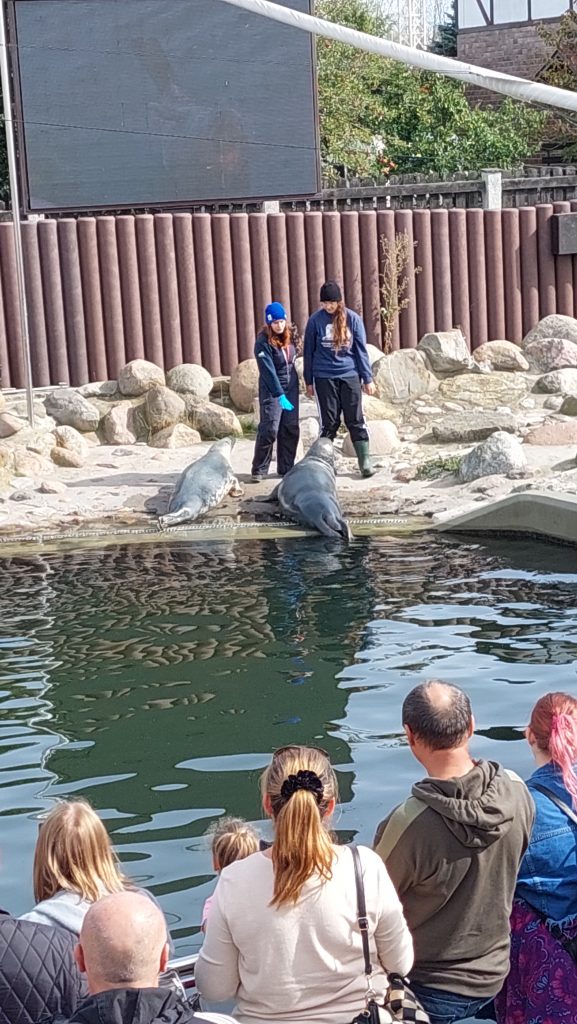
My host family organised a trip to the Hel Peninsula today. We first visited the seal rescue station. They take care of sick or injured seals until they can return to the sea. It sometimes happens that the seals live with humans for too long and can therefore no longer be released into the sea, as they have become too accustomed to humans. You can then go and visit these seals as they swim around in different swimming pools, being fed and performing tricks. This year, their new personal record was 80 seals rescued, up from just under 50 last year. Before such stations were established and when many fishermen still hunted seals, the number of seals was a few thousand; today the number has risen to around 40,000. Right next to the station is an old church, which was also used as a sentry post and has now been preserved as a museum, which we could not visit, because we did not have enough time. After a longer walk we sat down in a restaurant where we ate 3 different local fish. The restaurant is called „Knajpka Portowa“ and is highly recommended. We finished our walk in the small harbour of the peninsula, where fishing boats go in and out every day. There is also a ferry that goes to Gdansk, but larger ships do not dock in the harbour. On the way home, we stopped at an old fisherman’s house, where original objects used in fishing were still on display. Typical for such houses was that the entrance door led directly into the kitchen and every other room could be entered from there, as the kitchen was the most used room. At that time, the fishermen used washed-up rubbish from the sea, mostly wooden planks from ships, to build their houses. That is why they all had only one storey. The bones of fish or seals were used to make tools for hunting, for example. After the visit to the fishermen’s house, the excursion was over and we went back home.

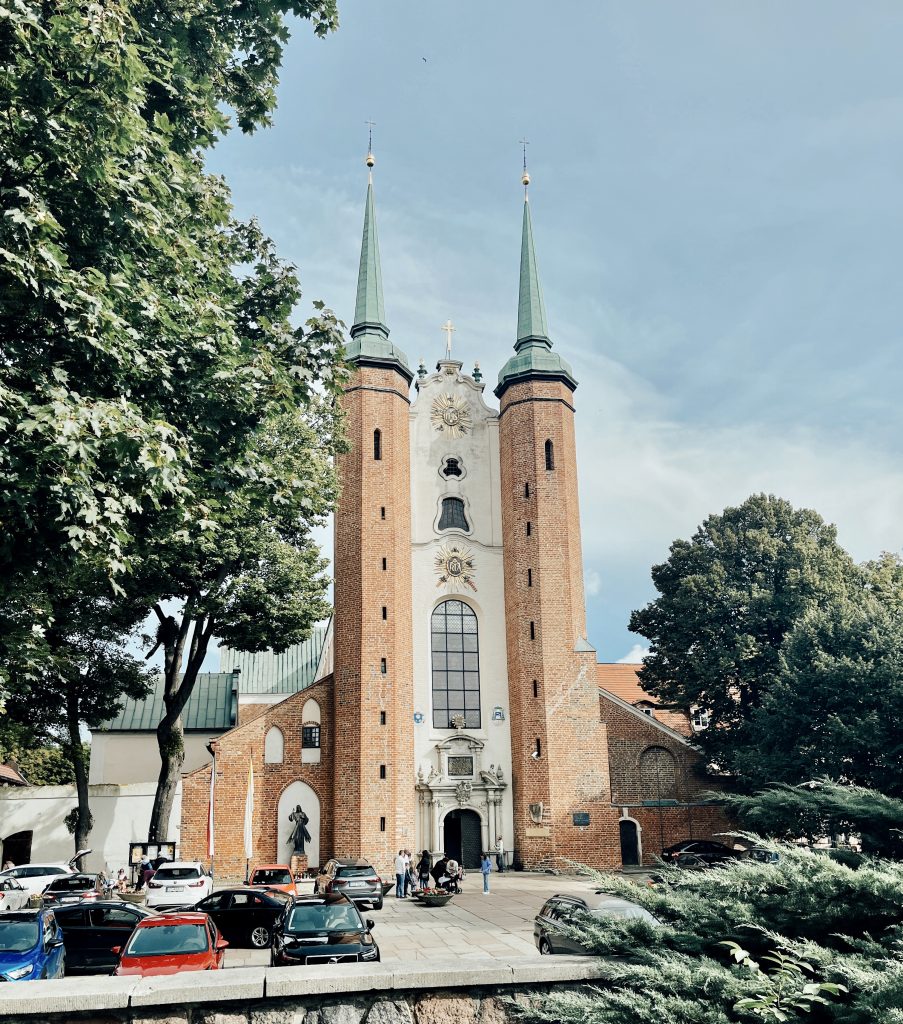
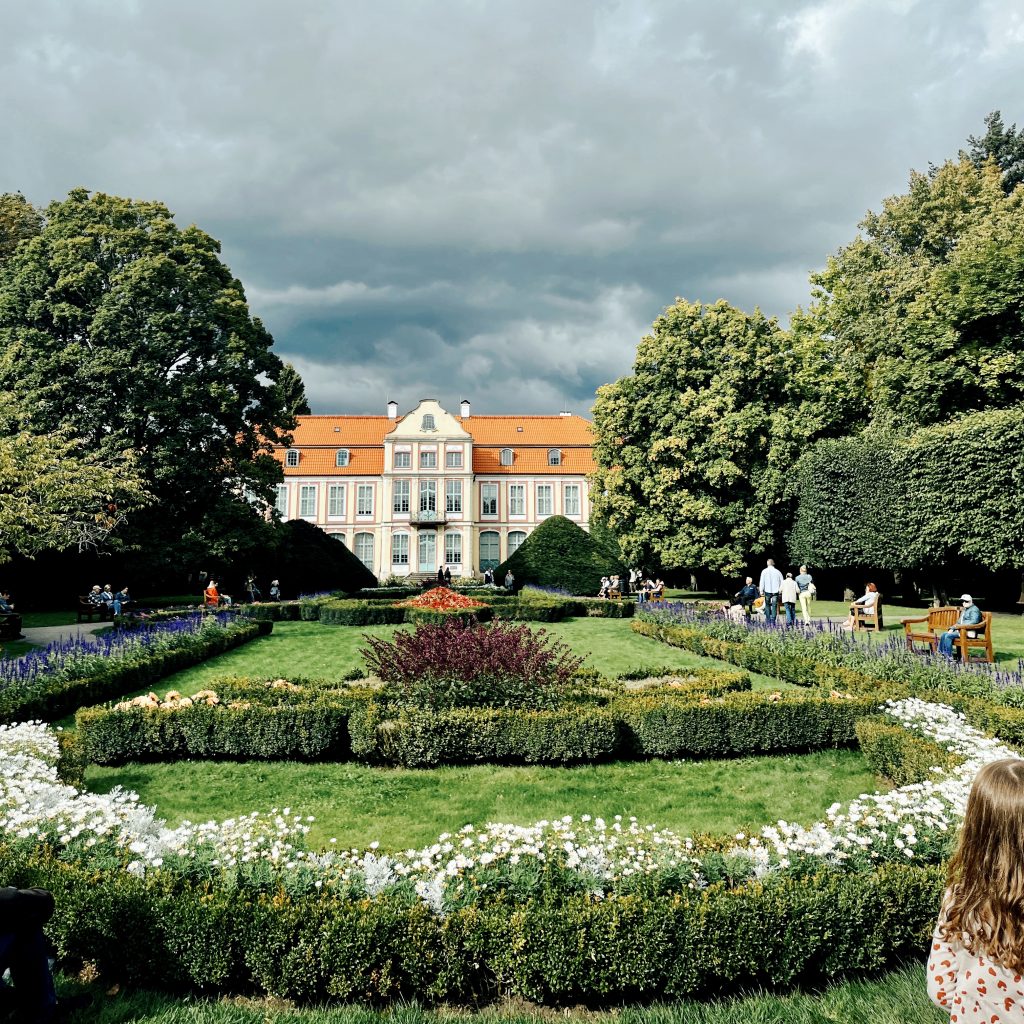
My host family woke up earlier than me but they waited for me to wake up so we could have breakfast together. For breakfast we had sandwiches and muffins made by me and my exchange partner. For breakfast we also ate desssert, a cake bought from the pastry shop. After dessert we all went to Oliwa Cathedral. Oliwa, GdaƄsk Archcathedral is a church in Oliwa, GdaƄsk. My family is religious and they go to church every Sunday. The churches in Germany are similar to those in Poland. After that we took a walk in the Oliwa park . Oliwa Park is popular for its Chinese garden, botanical gardens and palm house. For lunch we ate Zurek, a traditional Polish soup. The soup contains meats such as sausages, bacon, or ham, and vegetables. I had the evening meal at home, it was prepared by my exchange partner’s mother. She prepared for us Barszcz czerwony, borscht in the Polish version. My mother often cooks borsch at home and I was excited to try another version of borsch.

Milena & Ilija

Danzig-Austausch 2022: 17. September

First we enjoyed a two-hour guided tour of the old town of Gdansk, which was very informative and enlightening. We were able to learn a lot about the German and Polish past in the inter-war and post-war periods. Our guide also told us a lot about other German tourists who experienced Gdansk at that time, which also had interesting backgrounds.

Afterwards we went to the museum about WW2 in Danzig. We had audio guides telling us about the history of the exponats and just general history. The first thing you saw was a film avout the catalysts of WW2. Afterwards you went through different rooms in which for example the different totalist regims were explained. I found the replicated polish street realy striking because you felt like you traveled into another time. Over all the museum shows the horros of the war realy well and you can almost feel some of the terror the people must have felt back then. Sadly I didn’t have enough time to see the intire museum because we only had 1œ hour. I probably would have needed at least 3 hours but could have spent probably 5 hours. Despite that I found the museum fascinating and would probably go there again with more time.

Judith & Konstantin

Danzig-Austausch 2022: 16. September

The trip to Leba. Today we met at the school at 0845. We travelled with a bus to Leba, which took us 2 hours. In Leba electro busses waited for us and took us to the dunes. The weather was very rainy and there was a lot of wind. We walked in the dunes and to the beach. It was very cold but we had a lot of fun. We saw deers and a fox. Then we took the bus back to Danzig. Afterwards we had free time and in the evening many of us met and spend the rest of the day at the mall.

Mareile & Svea

Danzig-Austausch 2022: Witam!

 ©2022 Lloyd: Danzig-Austausch
©2022 Lloyd: Danzig-Austausch / DPJW

Am 15. September ist es soweit; 20 OberstufenschĂŒler werden mit Frau KrĂ€mer und Frau Dopp nach Danzig, Polen, fliegen und dort unsere Partnerschule, das 5. Lyzeum besuchen.

FĂŒr eine Woche leben die Teilnehmer in Gastfamilien, gehen in die Schule und lernen Danzig und Umgebung kennen.

Arrival and integration meeting 

We arrived at the airport in Gdansk around 14 o’clock, where our Polish exchange partners welcomed us with name tags. Then we went home together and met their families. We had some time together until all of us met again at the school. There we started with a few games to get to know each other. In addition, we learned a few dances, for example „Belgijka”, and we had a quiz about the exchange, which was a lot of fun. After that, our exchange partners showed us around their school. When we got back, we had dinner with the whole family, which was delicious. All in all, it was a great first day.

Leona & Lena