Erasmus+-Mobilität: Azoren 2026


EUROPASCHULE
Travelling to Danzig
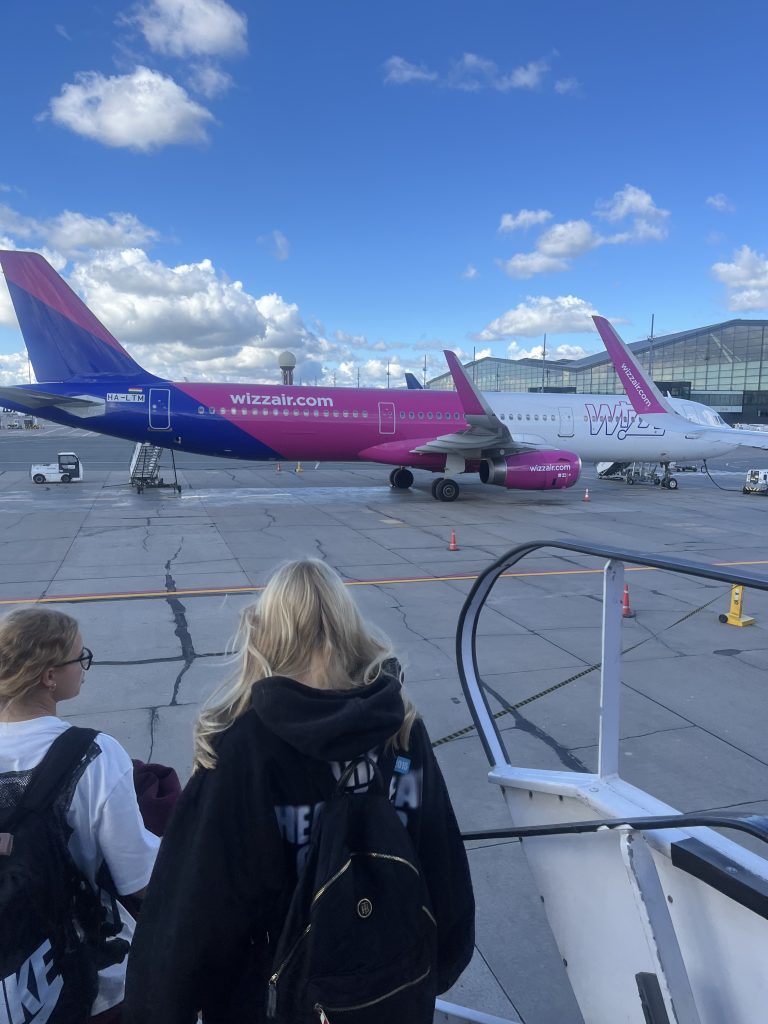
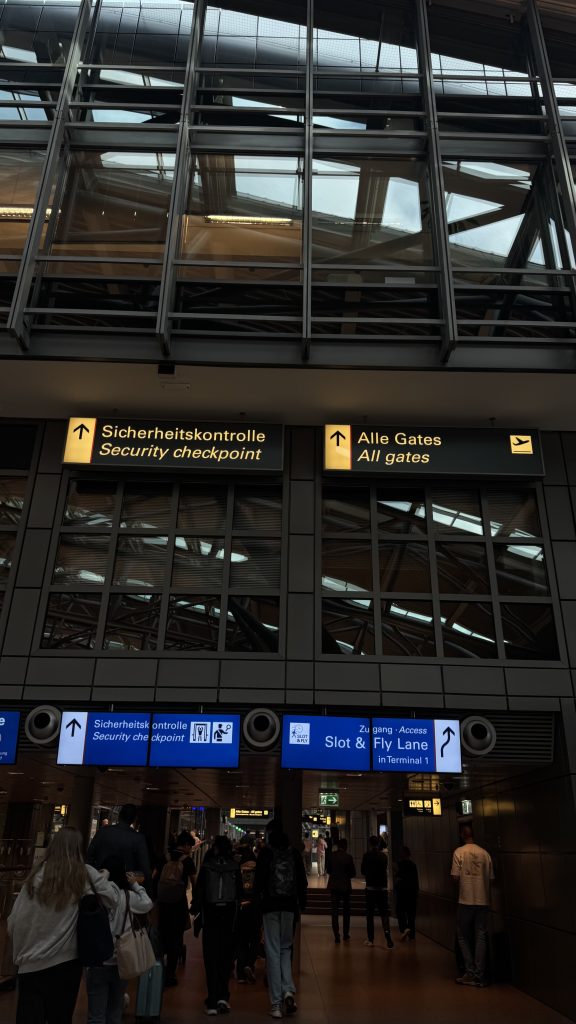
Yesterday we flew from Hamburg to Gdansk for our student exchange. There we were greeted with balloons and a warm welcome. Everyone got along well with their exchange students and the atmosphere was really good from the beginning. After that we drove home with our host families or did something together. In the evening we all met at school to get to know each other even better at various get-to-know-you games. In addition, there was a delicious cake buffet where we could spend the evening cosy. Overall it was a really nice first day and a great start to our student exchange. We are already looking forward to the next few days in Danzig!
Johanna, Marielies
Thursday, 24.9.
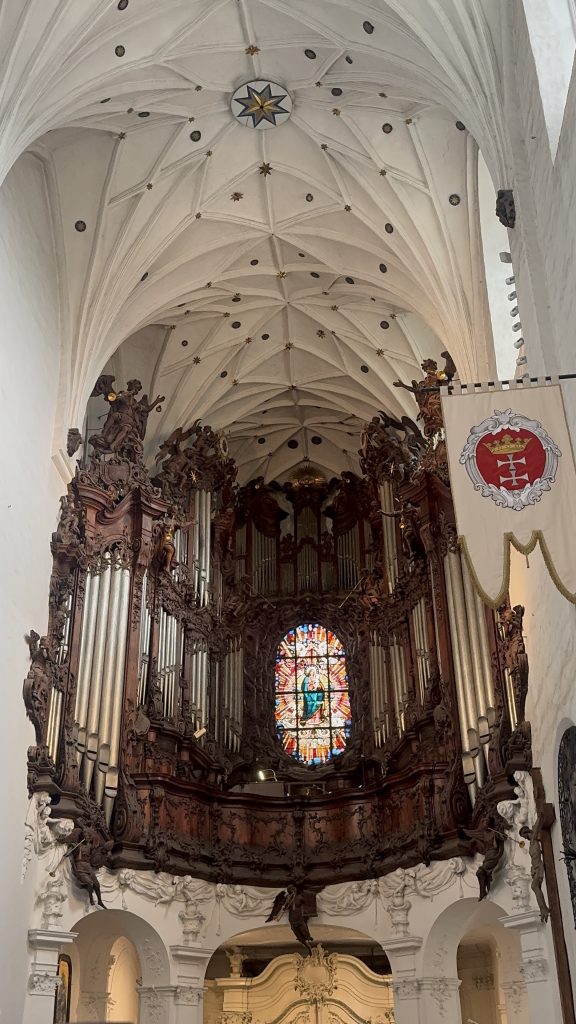
Today, we spent another nice day in Poland as part of our student exchange. In the morning, we went to school and had two lessons. After that, we did a city rallye. We had to solve different tasks and got to know the city better. Afterwards, we went to a church and watched an organ show. The music and the atmosphere were very impressive, and it was a nice experience. Now, we are having a barbecue together and spending some time with everyone. Overall, it was a fun and interesting day with many different activities.
Leni
Friday, 25.9.
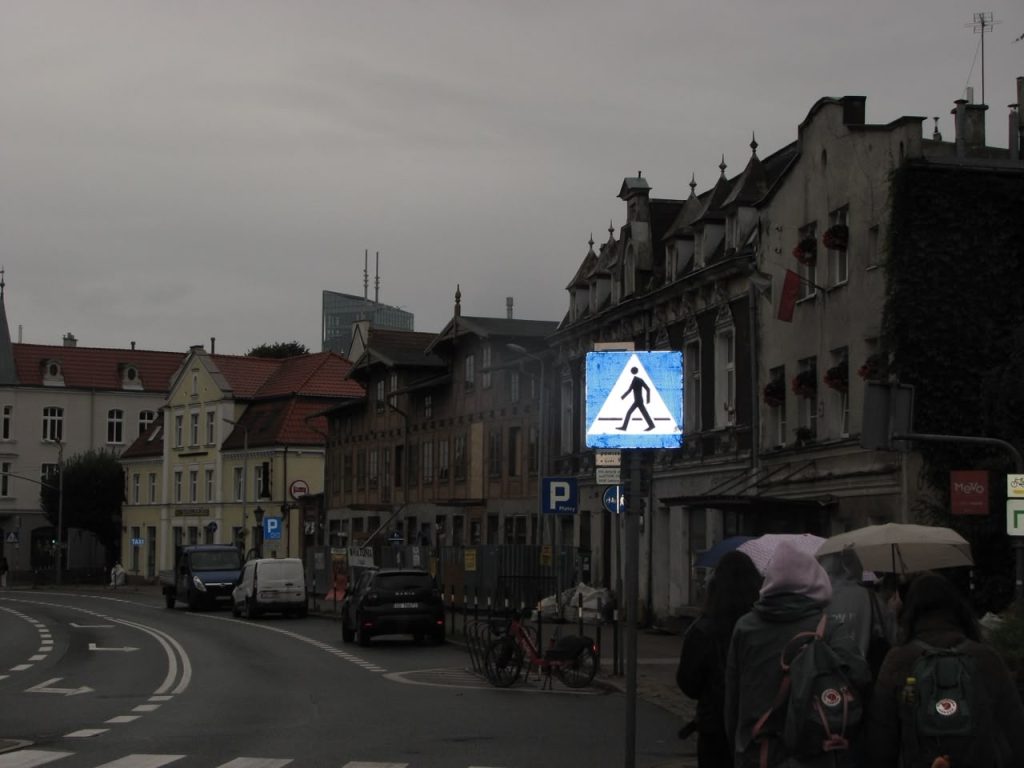
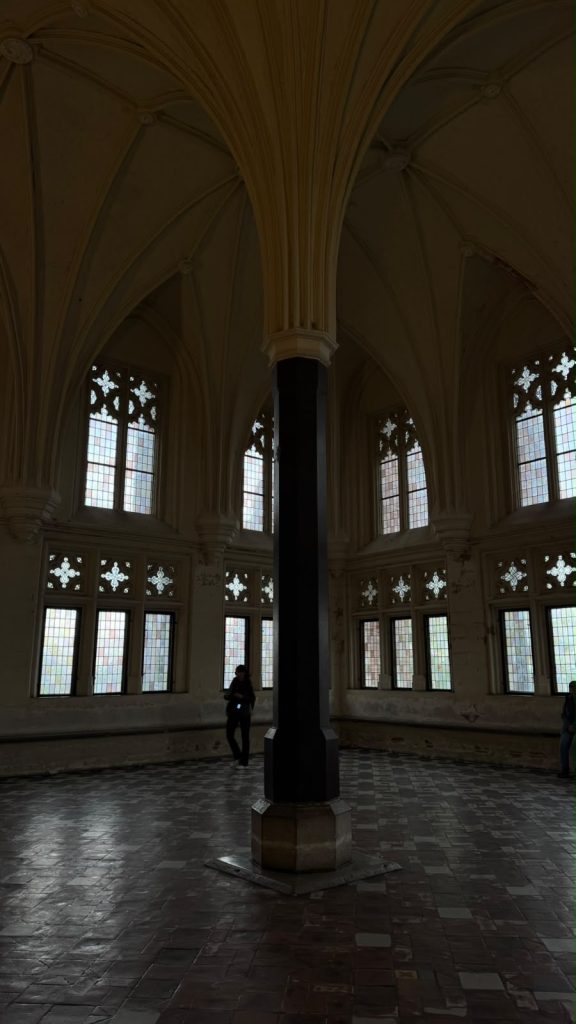
On the day of the trip we all met at school and then we walked together to the train station in Oliwa. It was a nice walk, everyone was talking and it didn’t take that long. Then we took the train and drove for about 40 minutes until we got to Marienburg. When we finally got there, we got audioguides so we could go through the castle by ourselves. I think that was better than having a guide talk the whole time, because we could go at our own pace and look at whatever we wanted. The castle is really big and there’s a lot to see. The castle was divided into three parts and it took about two hours to see all of it , there were a lot of hidden doors and stairs we had to walk through and it was quite exiting to see how people lived in such extravagant places and how their days were.
Margo
Saturday, 26.9.
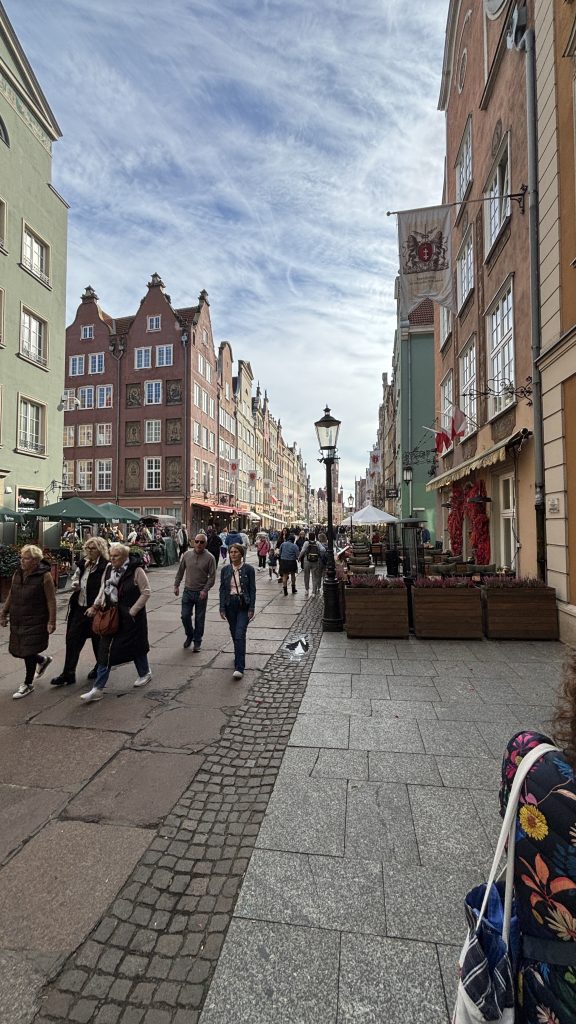
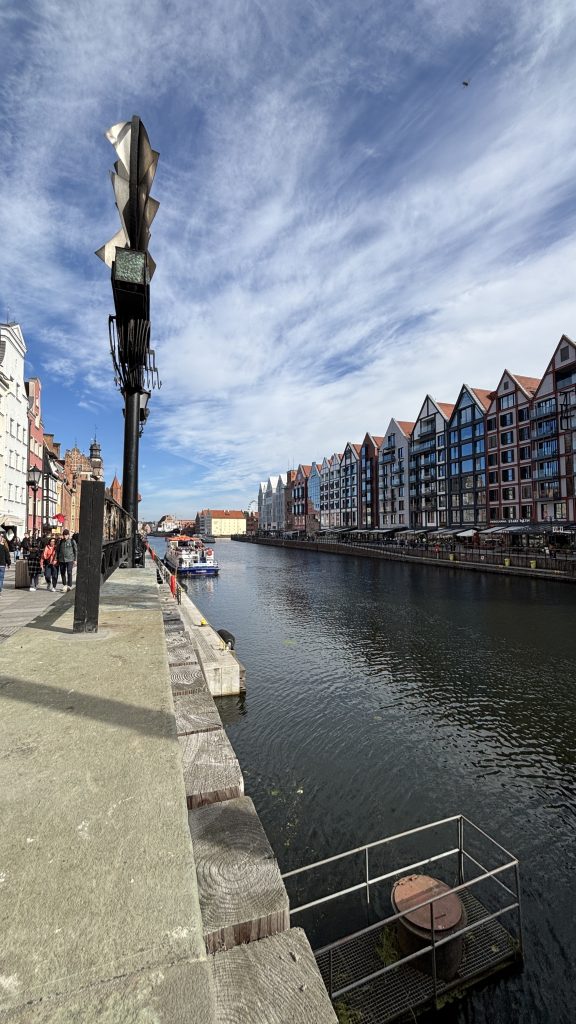
During our stay in Gdańsk, we took part in a city tour through the Old Town. A female tour guide showed us around the city and told us many interesting things about its history which is in some parts also German. During the tour, we saw many old and beautiful buildings. The tour guide explained what some of the buildings were used for in the past and why they are important. We also learned more about the history of Gdańsk and how the city has changed over time. One of the most interesting parts was learning about the old prisons and how prisoners were treated in the past. For example, we learned how prisoners were held and sometimes chained. These stories gave us a better idea of what life was like in Gdańsk many years ago. We also visited different places and saw many sights in the Old Town. The explanations from the tour guide made the places more interesting because we learned the stories behind them. Overall, I really enjoyed the city tour. I found it interesting to learn about the history of Gdańsk while seeing the old buildings and important places in the city. It was a good way to get to know Gdańsk better.
Seyfettin
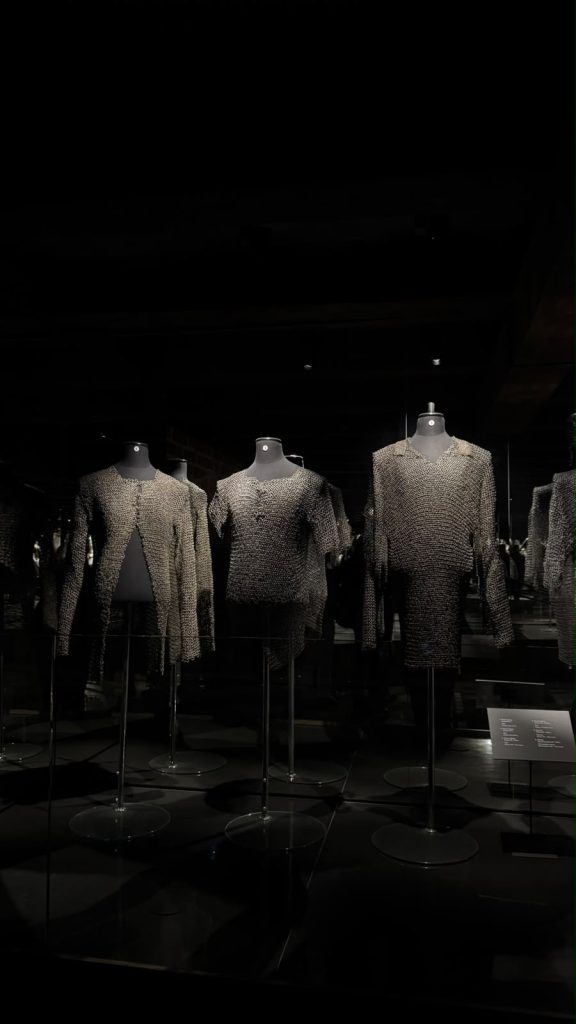
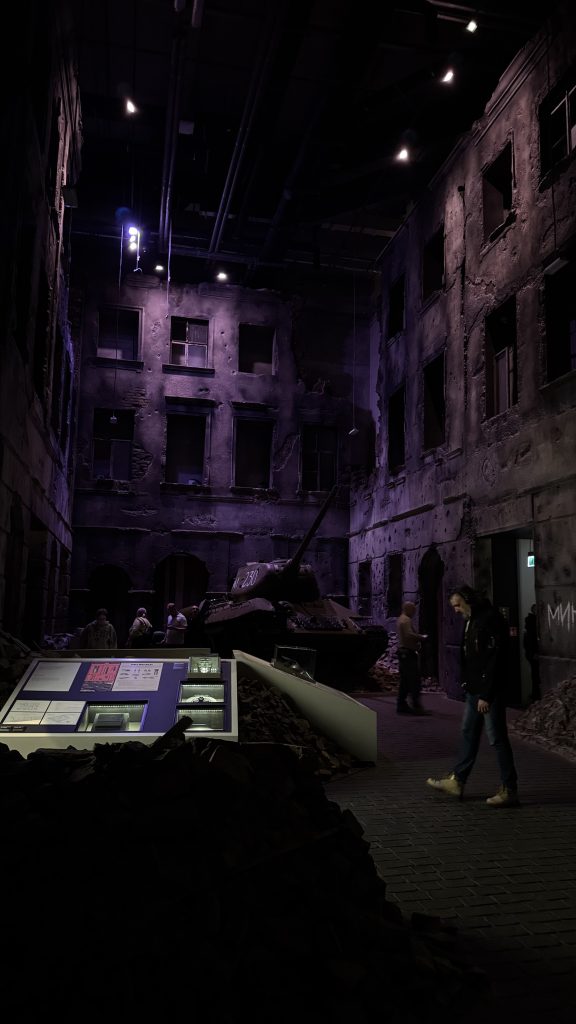
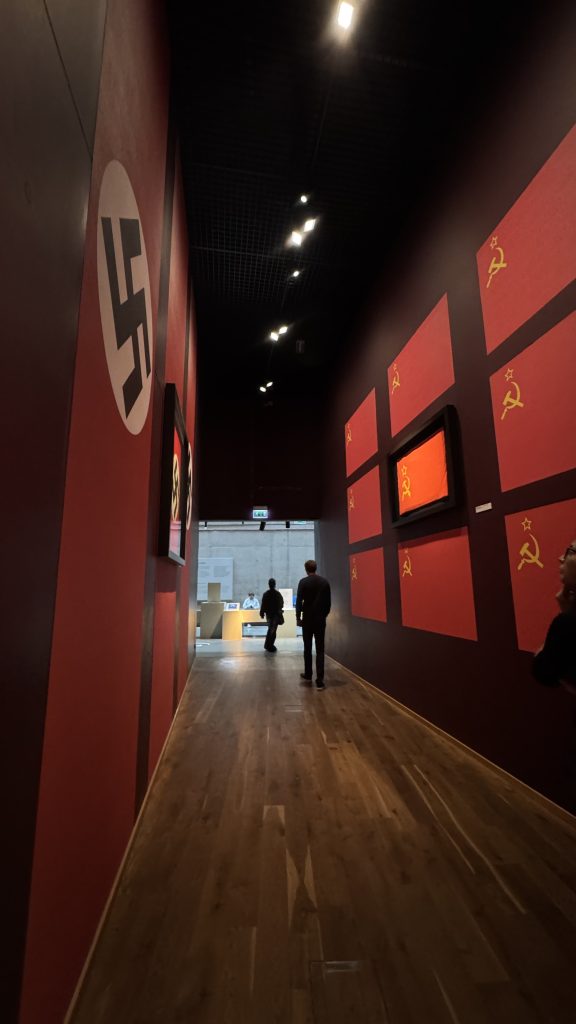
Report about the Museum of the Second World War in Gdańsk During our stay in Gdańsk, we also visited the Museum of the Second World War. The museum is located at Plac Władysława Bartoszewskiego 1 in Gdańsk. There, we learned a lot about the Second World War and what happened during this time. The museum had many different objects, pictures and information about the war. I found it especially interesting that the museum did not only show the major events of the war, but also explained how normal people experienced the war in their everyday lives. For example, we learned about the difficult conditions that families and children had to live with. We also saw many objects from that time that were connected to the war and the daily lives of people. This made it easier to imagine what life was like during the Second World War. Another important part of the exhibition was about the beginning of the Second World War and the events in Poland. It showed how strongly the war affected the population and many different countries. Overall, I found the museum very interesting and also quite thought-provoking. The many objects, pictures and explanations helped us to understand what the Second World War was like for people. The visit was therefore a good addition to our city tour of Gdańsk.
Sunday, 27.9.
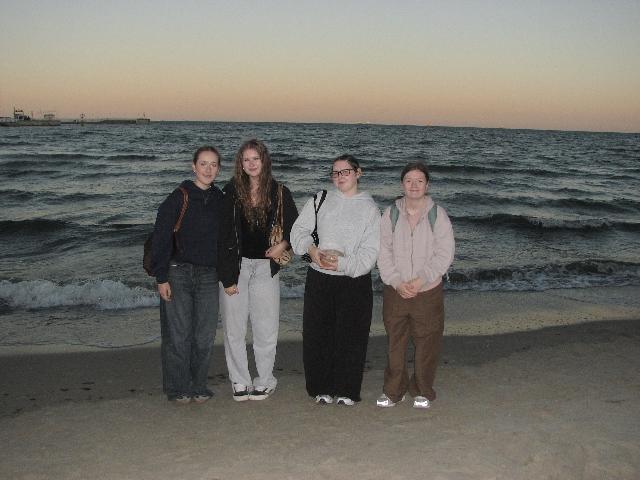
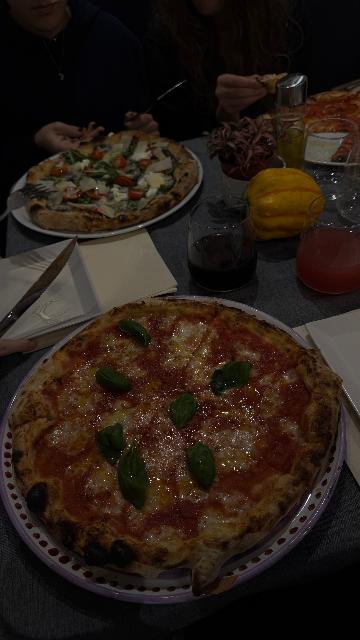
Family day. It was Sunday and my exchange partner’s family went to church, so I got plenty of time at home. Afterwards, around 1 pm, me and my exchange partner met with some other friends and took a train to a city nearby – Sopot. Firstly we went to an illusion museum where we took a lot of cool pictures and had so much fun, we even got some free candy for writing a review. Then we took a little break and got us some coffee with cinnamon rolls. We divided us in two groups and some of us left. After spending so much time and energy in this museum we felt so hungry so we went to this really authentic pizzeria. The waiter spoke Polish, English, Italian and even German to us and the atmosphere and staff were very nice. The food was amazing as well. After being done with eating, we split up in two groups and went to the beach. It was so beautiful and peaceful and we also enjoyed the sunset, which made the sea look even better. We asked a stranger to take a picture of four of us together to have some beautiful memories from that day. Later in the evening we got on the train and went home. We were really tired but really happy.
Sofiia
Monday, 28 September
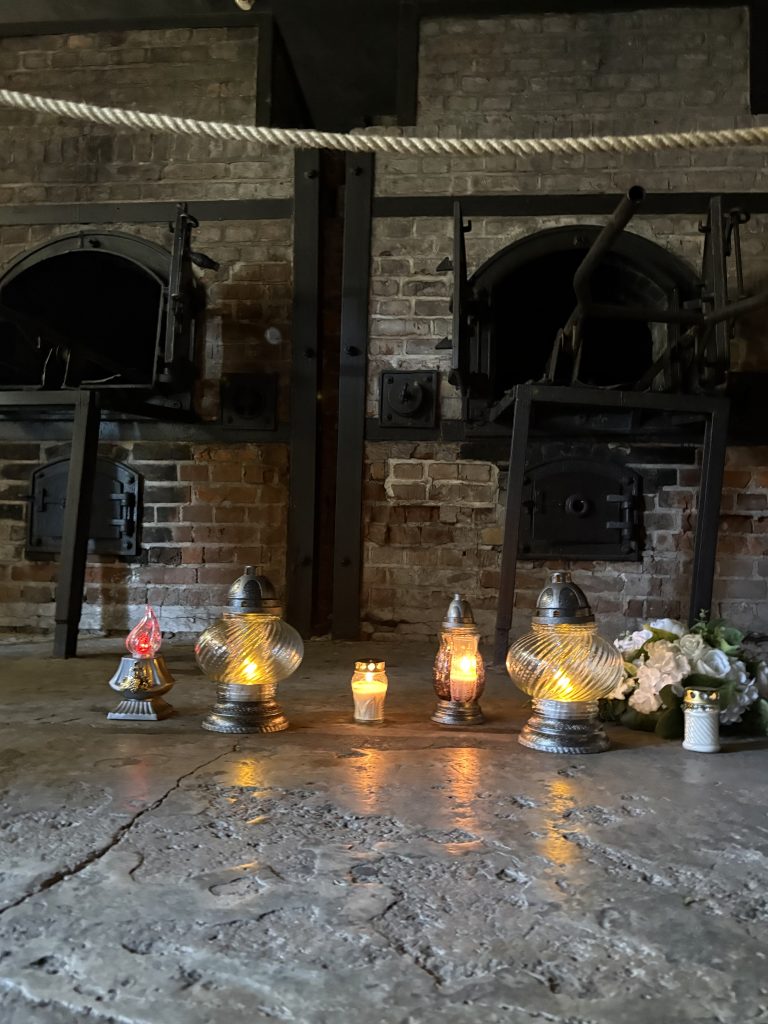
Today we went to the Westerplatte, to the Memorial there, and to the concetration camp Stutthof.
First, at 9am we went to Westerplatte, where the Second World War started. Two students gave a presentation about this and explained the meaning of the memorial (a sword in the ground).
After that we continued our trip to Stutthof. When we arrived we met our very nice guide, Wolfgang, and he showed us around the camp. He walked us through the ruins and rebuilts of the barracks, the gas chamber and crematory where we all held a moment of silence. He told us about the cruelty in the camp and about the brutality the Germans used even though the war was already over.
It was a very moving and interesting day and we learnt a lot.
Wencke
Tuesday, 29 September
Today was our trip to the Slowinsky National Park, the dunes of Leba at the Baltic Sea. The dunes are the highest in Europe and slowly cover a pine forest. Dead tree trunks are leftovers and look slightly bizzare.
We climbed the highest dune and jumped or rolled down some slopes until we continued to the beach where we had picknick. After that we walked around 5km back to a point where we were picked up by electric cars and brought back to our bus. In the evening we had our last dinner together with the Polish students in a restaurant. After that we went shopping a very last time or enjoyed one last evening at „home“.
Wednesday, 30 September
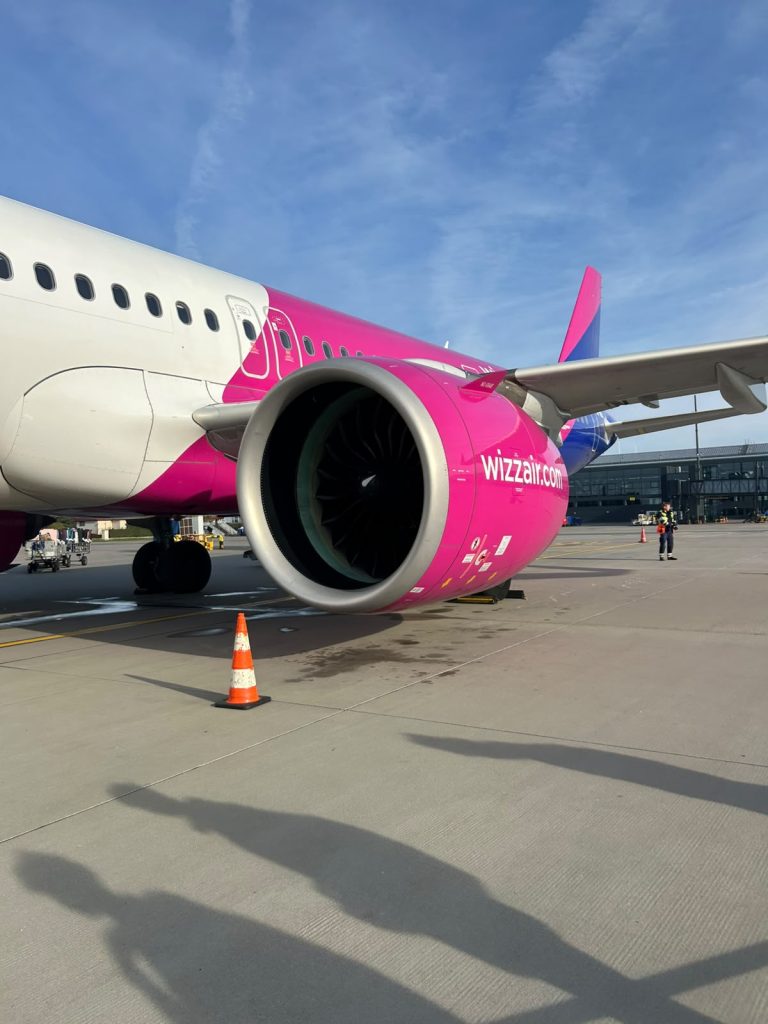
After we woke up, we packed our final things and ate our last breakfast with our host families. We said our goodbyes to the families and were driven to the airport. From there, we flew to Hamburg, where we took a regional train to the main train station in Hamburg. We took a train to the main train station in Bremen and finally boarded our train back to Bremerhaven, where we were welcomed by our families.
And now we are looking foward to April when we see each other again!
Nico
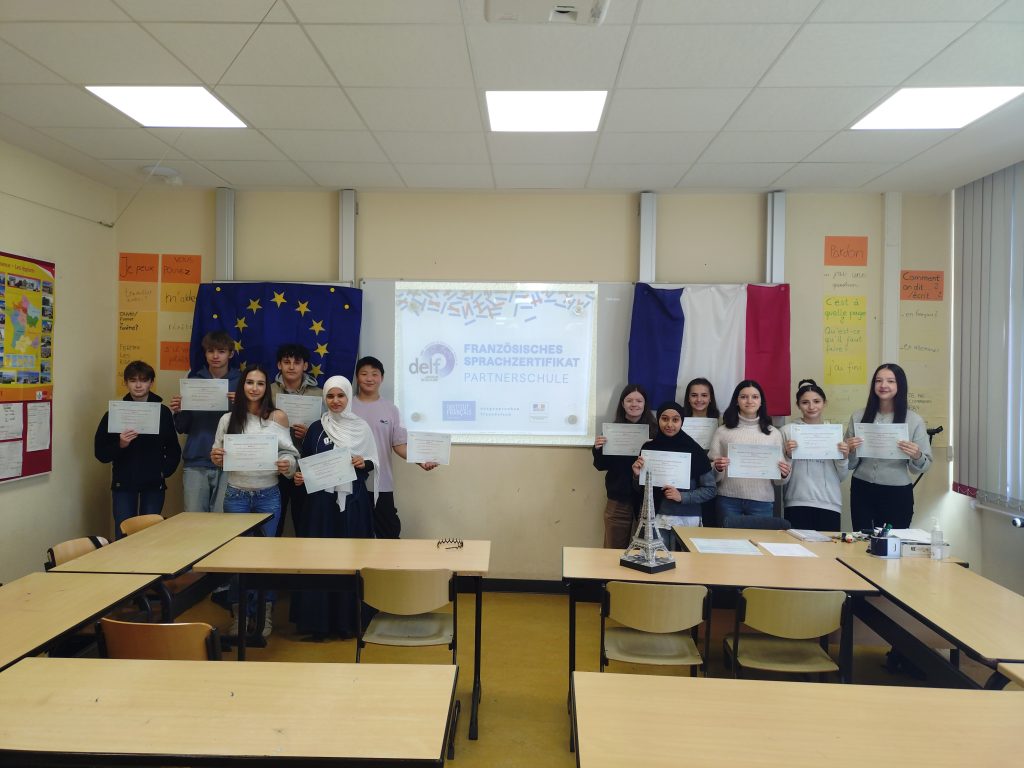
Im Frühjahr 2026 haben 15 Schülerinnen und Schüler vom Lloyd Gymnasium eine DELF-Prüfung abgelegt. Vor den Sommerferien wurden sie schon im Rahmen von Lloyd ehrt beglückwünscht. Im September sind nun auch die offiziellen Sprachzertifikate aus Frankreich eingetroffen und wir konnten sie an die erfolgreichen Prüflinge überreichen. Nos félicitations!
Zum dritten Mal jährte sich der Schüleraustausch des Lloyd Gymnasiums mit dem Istituto Tecnico Economico Paolo Savi in Viterbo, Italien.
Neu war, dass eine weitere Schule an dem Austausch teilgenommen hat, nämlich das Liceo Santa Rosa da Viterbo. 11 Schüler*innen, hauptsächlich aus der E-Phase, begleitet von Frau Werner und Herrn Montag, machten sich im Februar 2026 auf den Weg zu ihrer Gastfamilie, um dort für etwa eine Woche in das italienische Alltagsleben einzutauchen, das Schulleben kennenzulernen und gemeinsam an dem Projekt „Migration: an interesting exchange of coming and going of different cultures“ zu arbeiten. Dieses Projekt und damit auch die Fahrt wurde von Erasmus + gefördert.
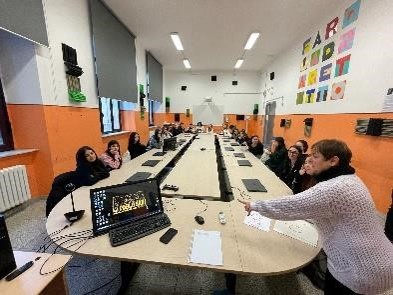
Auf dem Programm standen Punkte wie:
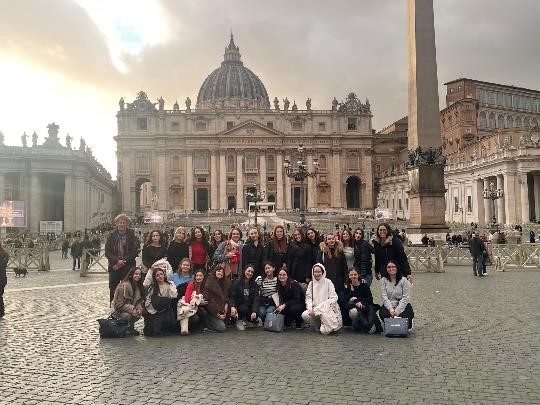
Der Gegenbesuch stand schon kurze Zeit später, im März 2026, an.
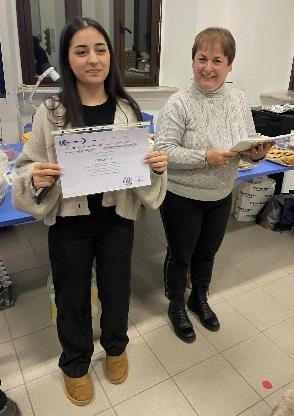
Auch diese Woche stand ganz unter dem Thema Europa und Migration. Neben dem Auswandererhaus und einer Hafenrundfahrt konnten auch 2 Frauen der AWO ihre Arbeit bei der Migrationsberatungsstelle vorstellen und viele Fragen der Schüler*innen beantworten. Außerdem ging es für einen Tag nach Bremen. Das Programm rundete auch bei uns ein gemeinsames Essen in der Blattlaus ab, bei dem die SchülerInnen ihre Teilnahmezertifikate erhielten.
Zum Schuljahresende blicken wir gerne auf unser zweites Europäisches Sprachencafé zurück, das wir erneut im Rahmen der Europawochen veranstaltet haben.
Am 20.4. verwandelte sich unsere Aula Wien in ein buntes Café verschiedener Sprachen und Kulturen. Verschiedene Lehrkräfte und Schüler*innen unserer Schule betreuten Stände, an denen sie ihren Mitschüler*innen und Lehrkräften ein paar Vokabeln in ihrer Muttersprache beibringen und ihnen etwas über ihre Kultur erzählen konnten. Neben einigen Lehrkräften und Schüler*innen, die bereits im letzten Schuljahr einen Stand betreut haben, waren in diesem Jahr auch einige neue Schüler*innen und Sprachen vertreten. Wir freuen uns, dass unser Sprachencafé wächst und haben schon Anfragen von Schüler*innen für das nächste Schuljahr bekommen!
In diesem Jahr wurden Ukrainisch, Englisch, Französisch, Russisch, Albanisch, Griechisch, Spanisch und Polnisch vorgestellt. Besonders beeindruckend war, dass Amelie bereits in ihrem 1. Lernjahr Frau Hüllen beim Präsentieren der französischen Sprache unterstützt hat. Unser großes Highlight war die Unterstützung unserer polnischen Austauschschüler*innen, die unseren Besucher*innen nicht nur polnische Vokabeln beigebracht haben, sondern auch von ihrer Schule berichtet haben. Auch die Austauschschüler*innen haben dieses Erlebnis als einen ihrer Höhepunkte bezeichnet.


Fünf Schülerinnen der Klasse 9d des Lloyd Gymnasiums wurde auf dem Bundesfinale des Bundeswettbewerbs Fremdsprachen („Sprachenfest“) in Dachau vom 18. bis 20.6.2026 für ihren Beitrag „All that can happen in one day“ der 2. Bundespreis verliehen. Sie setzten sich damit gegen über 2000 andere Gruppen aus ganz Deutschland durch. Der Beitrag setzt sich kritisch mit der Objektifizierung von Frauen und Mädchen auseinander und wurde auf dem Finale vor der Bundesjury als Theaterstück aufgeführt. Wir gratulieren zu dieser hervorragenden Leistung!

26.04.26
Our first day of the exchange started at 8:10 am at the main station in Bremerhaven. We all greeted each other and boarded the train at 8:30 am. After about an hour, we arrived in Bremen, where we had to change trains. The next train took us to Karlsruhe; on the long rides, we mostly slept, talked, ate, or played card games. In Karlsruhe, we had a lot of time because the train was, of course, late. Finally, we took one last train to Paris. We arrived around 7:00 pm and checked into our hostel for the night. We didn’t spend much time there, though, because we went to explore Paris as a group. We visited the Basilique du Sacré-Cœur de Montmartre and the Galerie La Vigne, where we had dinner. After this long day, we were all happy to finally get some sleep around midnight.
Jette & Lif

27.04.26
On the 27 of April 2026 we started out with waking up in Paris and eating breakfast ,afterwards we started our 50 minutes walk to the train station in Paris to take a train to Cean . Our first train from Cean to Cherbourg was cancelled, so we took one later and arrived in Cherbourg there we were greeted by the teachers who organised the exchange with our teachers.We ate and drank and then started to talk about our Erasmus project and what we wanted to do , later we met our Exchange students and went home with them.
Margerita
30.04.26
On the 5th day in Cherbourg, the Thursday, we were at the school from 8-17 o’clock and we worked on our projects (cruise terminal, maritime museums, costal defenses, submarine) the whole day long, writing texts, recording them and putting together pictures and voices.
After that we were walking to the city hall and got welcomed by the deputy mayor of Cherbourg and got a small tour through a part of the old rooms of city hall which date back to the times of Napoleon III.
Thierry
01.05.26
On Friday it was a holiday, so my host family and me went to the Mont-Saint-Michel, which is about 2 hours from Cherbourg. The Mont-Saint-Michel is a village on an island.
When we arrived, we took the bus, to cross the bridge. After that we made a picknick and then we walked in the little alleys to the abbey. It was so beautiful. When we were out again, I saw a few little parks, which looked so pretty. We went in many shops with little souvenirs, toys and even swords. When we eaten an Ice cream, we sat on a rocky with a few of the sea, around the island.
In my opinion it was a really great visit, because I like small alleys and old buildings. It was a really good day with my host family.
Anneke


Wednesday, 15 April
Today we arrived at the Bremenhaven Train Station. The whole town is cute and cozy whch makes it wonderful. We did a cooking challenge. 4 teams competed, every team had to prepare 3 meals. It was a great experience and fun time. Of course we all tasted and rated them. Then we spent some time with our host families and got to know each other’s culture. Overall we had a great day in Bremenhaven with our German exchange partners!
Michalina & Julia


Thursday, 16 April
On Thursday we visited a beautiful city which is full of urban storys – Bremen. At the beginning we went to many must-see spots like the town musicians of Bremen or St. Petri Cathedral, which we went into. Also at every spot two of students from Bremenhaven were telling us about those places. Next milestone on out trip was visiting museum in which story of town was presented by people who reenactlife from the past. We ended our tour at the town hall where we could hear more about its history and work nowadays. After 6pm, we returned by train to Bremerhaven and couldn’t wait for the next day 🙂
Nikola & Alicja


18.4.
Today we visited Helgoland. We had a guided tour through the most beautiful places on the Island. After that we had free time to take some photos and walk through the main places there. The trip was truly amazing, because we could see how the lives of the people living there looks like. Also the view of the place was breathtaking as well as the unique animals living there. We travelled both ways by the boat, so it was also really entartaining, as we could make the most of the nice weather.


Sara & Oktawia
19.4.
Sunday was a free day for the host families, and I spent it in Bremerhaven. In the morning, we visited Klimahaus Bremerhaven, which I enjoyed very much. The exhibition was engaging, and I found it really interesting how well it presented different climate zones around the world, especially their temperatures. They have also opened a new “Extreme Weather” zone, whose moving floor and real-time effects made this experience unforgettable.
Later, we went to a wake park, where I spent about two hours learning how to ride. Despite the harsh weather, it was a great experience – I had a lot of fun and managed to improve quite a bit. However, it was also physically demanding, and my arms were extremely tired by the end.
In the evening, I went with some of the exchange pairs to a local bowling alley. The atmosphere was very friendly, and it helped us bond as a group. We laughed a lot and had a really good time together.
Overall, I enjoyed the whole day very much. I came back home tired, but happy and satisfied.
Jacek
20.4.
In the morning we came to the school to attend our exchange partners‘ german class, in which we discussed what atmosphere do colours prevalent in poems create. The colors we were talking about were the still and calm blue and the emotional red. The students also recited the poems.
After the class had ended, we headed to a room, where we worked on our group projecs, which were posters showing many similarities and differences between Poland and Germany in various aspects of life. Then we proceeded to hang the posters in a room, where the European Language Cafe was about to take place.


The European Language Cafe was an event in the school, where you were given an opportunity to meet people, students or teachers, that spoke different european languages. You could find out more about the languages from their respective languages and try some food from their cultures. Everyone was really nice and we had a wonderful time. Needles to say, in our opinion the event was a huge succes. If we were to be given an opportunity to attend a similar event in the future, we would definitely say yes!

Leo & Kazik
Sunday, March 1
On Sunday we woke up at 5:30 in the hostel. From there we went to Hamburg Airport, where we arrived at roughly 6:15 AM. We went trough the check-in and the security check and borded on time at 7:50 AM. At 1 o’clock we landed at Gran Canaria Airport and from there we were taken to the school by taxi. From there our exchange students picked us up, the parents took the suitcases and then we went to the shopping center Las Arenas next to the school where we had sandwiches for lunch. After that, they showed us the surrounding area and we went to see a concert on the last day of carnival. We also visited another shopping center near the place where the concert took place. At 8 o’clock we all went home to the families of our exchange students. (Finja)


Friday, March 6 (Roman)
Der Freitag war einer der schönsten und ereignisreichsten Tage unserer Reise auf Gran Canaria. Am Vormittag gingen wir zuerst zum Strand. Am Beginn des Tages hatten wit eine ehrliche Erlebnis – könnten wir nicht beide unsere Lehrern, Frau Corneliussen und Herr Ernst finden. Der Strand war relativ schön am Morgen. Es gab große Wellen, die ständig an die Küste schlugen, was besonders spannend anzusehen war. Entlang der Promenade befanden sich viele kleine Geschäfte, Souvenirläden und Cafés. Der Strand heißt „Playa De Las Canreras“. Dort konnten wir ein bisschen bummeln, die Atmosphäre genießen und natürlich auch einige typische Souvenirs entdecken.


Danach besuchten wir eine Einrichtung des Roten Kreuzes, die sich nicht weit vom Aquarium entfernt befindet. Dort erfuhren wir etwas darüber, wie Menschen in Not geholfen wird und welche wichtige Rolle diese Organisation spielt. Es war interessant zu sehen, wie Hilfsarbeit in der Praxis organisiert wird.
Anschließend gingen wir gemeinsam ins Aquarium. Dort konnten wir viele faszinierende Meeresbewohner beobachten – von bunten tropischen Fischen bis hin zu beeindruckenden Haien. Besonders die großen Aquarientunnel waren sehr beeindruckend, weil man das Gefühl hatte, mitten im Ozean zu stehen.
Nachdem wir das Aquarium besucht hatten, gingen die meisten von uns zunächst nach Hause, um sich etwas auszuruhen. Um 17:30 Uhr traf sich unsere Erasmus+-Gruppe jedoch wieder. Gemeinsam gingen wir in ein
großes Einkaufszentrum, um noch ein paar Dinge für die Heimreise zu kaufen. Dort verbrachten wir einige Zeit mit Shoppen und Gesprächen.
Am Ende des Tages gingen wir schließlich alle wieder nach Hause. Es war ein abwechslungsreicher und sehr schöner Tag, den ich bestimmt nicht so schnell vergessen werde.
Saturday, March 7

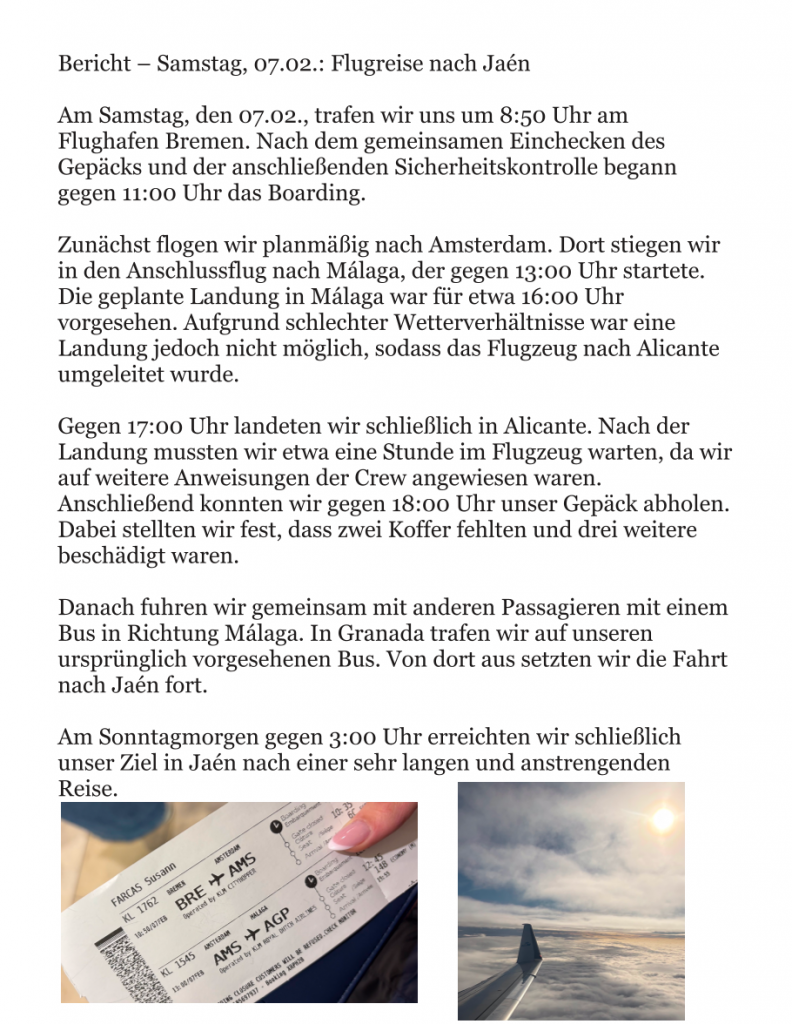
Tagesbericht – Sonntag in Jaén
Am Sonntag haben wir einen Spaziergang durch die Altstadt von Jaén gemacht. Zuerst sind wir durch enge Gassen mit alten Häusern gelaufen. Die Straßen waren aus Stein und die Häuser hatten kleine Balkone mit Pflanzen. Man konnte sehen, dass dieser Teil der Stadt sehr alt ist und viel Geschichte hat.
Danach haben wir eine große Keramiktafel gesehen, auf der San Lorenzo abgebildet ist. Auf der Tafel wurde erklärt, wie die Kirche und das Viertel früher aussahen. Diese Tafel ist etwas Besonderes, weil sie zeigt, wie wichtig Geschichte und Religion für die Stadt sind.
Anschließend haben wir die Kathedrale von Jaén besucht. Sie ist sehr groß und beeindruckend. An der Fassade sind viele Statuen und Verzierungen. Die Kathedrale ist eines der wichtigsten Gebäude der Stadt und ein bekanntes Wahrzeichen.
Zum Schluss waren wir in einer Einkaufsstraße mit Cafés und Geschäften. Dort haben wir uns hingesetzt und etwas getrunken. Man konnte viele Menschen sehen und das normale Stadtleben beobachten.
Insgesamt war der Sonntag sehr interessant, weil wir viel über die Geschichte gesehen haben und gleichzeitig Zeit zum Entspannen hatten.